[pandas] DataFrame 함수 1
DataFrame의 분석을 위한 함수들(1)
Pandas에 있는DataFrame에 관한 함수들에 대해서 알아본다.
1. np.nan
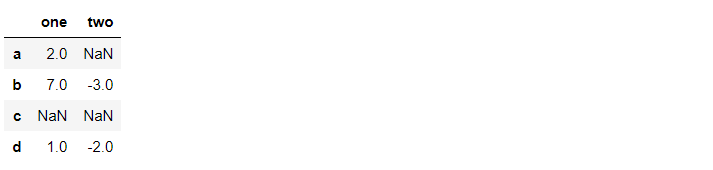
DataFrame에NaN값을 지정하고 싶을때 사용된다.
data = [[2, np.nan],
       [7,-3],
       [np.nan, np.nan],
       [1, -2]]
df = pd.DataFrame(data,
                  columns=['one', 'two'],
                  index = ['a', 'b', 'c', 'd'])
display(df)
2. sum
Dataframe의
NaN값이 존재할 때의 합계를 다룬다.ndarray와 달리axis를 정의하지 않으면axis=0으로 default 된다. 위의 예제를 계속 사용한다.
덧셈시 NaN 값은 0으로 처리되서 제외하고 더해진다.
- axis = 0
print(df.sum())
## one    10.0
## two    -5.0
## dtype: float64
- axis = 1
print(df.sum(axis=1))
## one    10.0
## two    -5.0
## dtype: float64
- 원하는 행의 합
print(df.iloc[1:3,:].sum(axis=1))
## b    4.0
## c    0.0
## dtype: float64
3. date_range
날짜형식의 값과 기간을 입력하면 그 만큼의 입력날짜의 기간만큼
DatetimeIndex가 생성된다.
아래 예제를 보자.
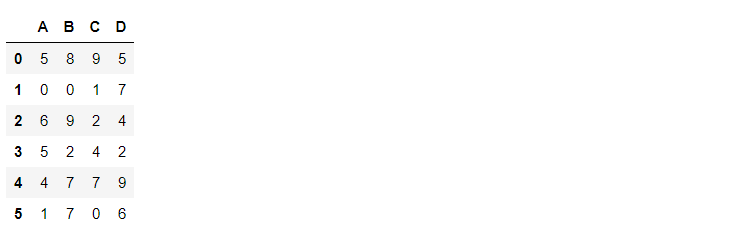
import pandas as pd
import numpy as np

np.random.seed(1)

df.pd.DataFrame(np.random.randint(0, 10, (6, 4)), columns = ['A','B','C','D'])
display(df)
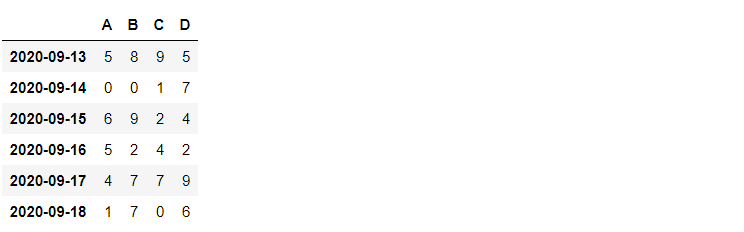
아래와 같이 날짜형식의 index를 date_range를 이용해 생성 가능하다.
df.index = pd.date_range('20200913',periods=6)
print(df.index)
## DatetimeIndex(['2020-09-13', '2020-09-14', '2020-09-15', '2020-09-16',
##                '2020-09-17', '2020-09-18'],
##               dtype='datetime64[ns]', freq='D')
4. reindex
reindex를 통해 쉽게index및columns들의 순서만 교체할 수 있다. (새로운것들로의 정정이 아니다.) 위의 예제를 계속 사용한다.
- 실제 값을 변경하는게 아니므로 새롭게 정의해 주어야 한다.
df2 = df.reindex(index = np.random.permutation(df.index), columns = ['B','C','D','A'])
display(df2)

- 참고로
np.random.permutation에서np.random.shuffle을 사용하면 Error가 발생한다.
np.random.shuffle(df.index)
## TypeError: Index does not support mutable operations